

 See My Latest Article on HelloNation
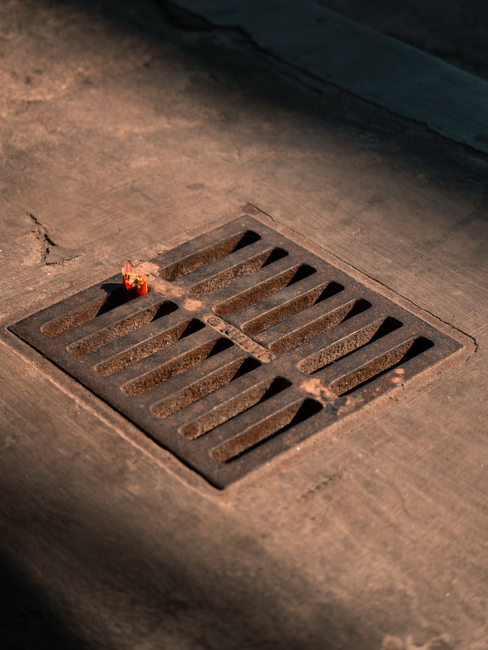
What Role Do Trench Drain Grates Play in Commercial Site Drainage?
Trench drain grates are a crucial component of managing surface water on commercial properties. These grates prevent debris from entering drainage systems while allowing water to flow efficiently off paved or hardscaped areas. In Indianapolis, IN, where freeze-thaw cycles, heavy rains, and pedestrian traffic are common, the device’s effectiveness and durability affect everything from safety to maintenance costs.
Which Material Should Be Used for Trench Drain Grates in Indianapolis?
The most suitable material depends on usage, expected loads, and climate. For commercial settings in Indianapolis, it’s important to weigh the choice thoroughly:
- Ductile Iron Grates: Favored for their exceptional strength and resistance to wear, these are ideal where heavy vehicles, such as delivery trucks or snow plows, frequently pass.
- Stainless Steel Grates: These offer corrosion resistance, useful in locations exposed to deicing salts or chemicals, common with winter road treatments.
- Polymer or Plastic Grates: Lightweight but suitable only for areas with limited foot or vehicle traffic. In Indianapolis, most commercial applications opt for metal due to harsher conditions.
Local winter conditions should also influence decision-making. Freeze-thaw cycles can cause some materials to degrade faster, so opt for grates designed to withstand the extremes typical in the city.
How Is Load Class Determined for Site-Specific Needs?
Indianapolis commercial sites range from retail parking lots to warehouse loading docks, and grates must fit the load demands of the location. These demands are categorized using load class ratings:
- *Pedestrian-only areas*: Class A or B is generally suitable.
- *Light vehicle zones*: Class C or D handles parking lots or drive lanes.
- *Heavy transport areas*: Class E or F is designed for truck routes, maintenance access, or fire lanes.
Selecting an underrated grate, even for areas rarely accessed by trucks, can lead to rapid failure or a safety risk during unexpected use, such as large event traffic or snow clearance equipment.
Which Safety and Accessibility Codes Matter Locally?
Safety standards are non-negotiable, especially where the public or employees are present. In Indianapolis, trench drain grates should align with drainage design standards, Americans with Disabilities Act (ADA) requirements, and local building codes. ADA-compliant grates typically have:
- Slot openings no greater than 0.5 inches wide
- Slots oriented perpendicular to walking paths to reduce tripping risks
- Smooth surface finishes for improved wheelchair and walker navigation
It’s a common misconception that all metal grates are ADA-compliant. Always check specifications to ensure compliance. Some areas also require anti-slip surfaces, particularly in entranceways and outdoor staircases.
How Does Grate Design Affect Maintenance and Debris Handling?
Choosing the right grate pattern is about balancing water flow, debris exclusion, and ease of cleaning. A tighter mesh keeps out more debris but may require frequent attention in leafy or high-traffic spots. For properties near trees or where sand/silt is common, a bar grate with wider openings may require regular maintenance but offers greater flow during storms.
The local climate means fall debris and spring rainfall can both cause rapid clogging if the pattern and opening size aren’t considered in advance.
Are Custom or Prefabricated Grates Needed?
For most sites in Indianapolis, prefabricated trench drain grates that meet load, code, and sizing requirements are readily available and sufficient. In some unique architectural sites or where unusual shapes/sizes are involved, customized grates may be needed. For example:
- Historic renovations may demand a specific appearance or pattern.
- High-visibility areas sometimes require decorative finishes as part of the site’s overall design.
Custom grates should still meet all functional and safety requirements above aesthetics.
What Common Mistakes Do Area Property Managers Make?
Several oversights are frequent in commercial drain planning:
- Overlooking actual site loading: Placing a light-duty grate where delivery trucks turn or snowplows operate often leads to early damage.
- Ignoring local winterization needs: Non-corrosive materials help prevent replacements caused by deicing agents.
- Failing to plan for regular maintenance: Easily removable grates and accessible locations can lower long-term upkeep costs.
- Not considering foot traffic: Grates with large openings are hazardous for high-traffic walkways or outdoor patios.
How to Plan for Lifecycle and Long-Term Costs
The upfront grate selection directly impacts future property management needs. Stronger, more corrosion-resistant materials cost more initially but can reduce costly replacements in Indianapolis’s freeze-thaw climate. Consider:
- Frequency of expected clogging and debris removal
- Risk of winter salt or chemical exposure
- Ease of grate removal and replacement for cleaning
Adapting specifications for Indiana’s weather means fewer surprises down the line and safer, cleaner commercial properties.