

 See My Latest Article on HelloNation
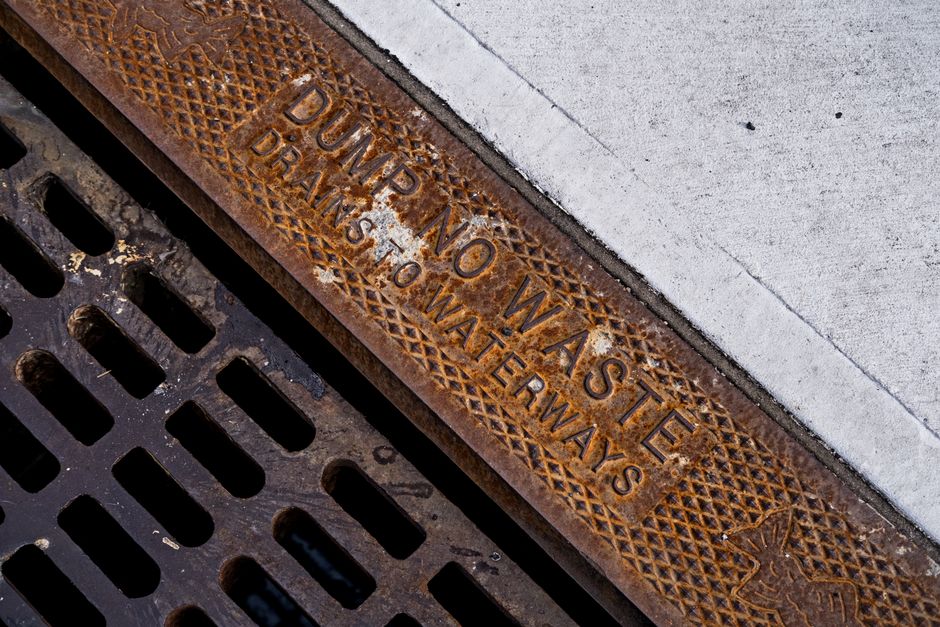
Why Is Drainage Design Essential in Indianapolis, IN Commercial Construction?
Effective drainage design is critical for all new construction projects in Indianapolis, IN due to the city's variable climate and predominance of flat, impermeable surfaces in commercial areas. Drainage systems serve more than an aesthetic or routine maintenance purpose—they protect structural foundations, maintain public safety, and help control water-related liabilities.
Indianapolis experiences cycles of heavy rainfall, freeze-thaw conditions, and rapid snowmelt. These factors heighten the risk of water pooling, flooding, and erosion, particularly where hardscapes predominate. Proper drainage prevents water from accumulating around basements, parking lots, and access roads, thereby reducing the potential for structural damage and slip hazards.
What Are the Key Considerations for Commercial Drainage Planning?
Designing a commercial drainage system starts with analyzing site-specific factors. In Indianapolis, considerations include:
- Soil Type and Absorption: Indianapolis soil types often contain clay, reducing natural infiltration and necessitating engineered solutions to direct runoff away from buildings.
- Site Grading: Effective elevation planning is needed to create surface slopes that channel water away from critical zones and toward collection systems.
- Precipitation Intensity and Volume: Plans must accommodate both common rainfall and extreme weather events—designs typically use historical data from local weather stations to size drainage infrastructure.
Common misconceptions involve underestimating either the rate of runoff on paved lots or neglecting the combined effect of snowmelt and rain, which can overwhelm undersized drains.
How Are Trench Drain Systems Applied in New Commercial Projects?
Trench systems are a favored solution for many commercial sites in the city because they efficiently collect surface water over wide, flat expanses like loading docks, driveways, and walkways. These systems consist of precast or cast-in-place channels set flush with the surface and covered with durable grates.
Specific applications may include:
- Parking lots and garages
- Warehousing perimeters and loading zones
- Walkways adjacent to large buildings
Designers must factor in anticipated traffic loads when choosing grate materials and styles to ensure safety and longevity.
What Local Codes and Regulations Should Be Followed?
Indianapolis construction projects are governed by municipal building codes and stormwater ordinances intended to minimize downstream flooding and water pollution. Plans typically require:
- Detention or retention solutions to control the rate and quality of discharge to the sewer system or local water bodies
- Submission of engineered drawings showing inlets, outlets, drainage paths, and system sizing
- Compliance with Americans with Disabilities Act (ADA) for grate placement and finish, ensuring pedestrian safety and accessibility
It’s essential to review current standards and coordinate with local planning authorities to avoid costly redesigns or compliance issues.
How Can Maintenance Be Anticipated in Design?
Even the best-designed drainage systems require regular maintenance, so accessibility should be part of planning. To improve system longevity and reduce long-term costs:
- Incorporate removable grates for cleaning
- Allow clear access points for inspection and debris removal
- Design with non-corrosive materials wherever possible to resist harsh de-icing agents commonly used in winter
Ignoring maintainability is a common oversight that can result in blocked drains and pavement damage over time.
Are There Site-Specific Factors Unique to Indianapolis to Consider?
Commercial properties in this area must manage both localized ponding from heavy local rain events and larger-scale watershed concerns tied to the White River and Eagle Creek. Surface drainage needs can also be influenced by existing mature infrastructure, such as legacy sewers, which may be present in older parts of the city.
It’s also worth considering local vegetation—tree roots can disrupt subsurface elements, so root barriers or careful placement may be necessary.
What Cost-Effective Solutions Are Commonly Used?
Long-term savings often come from balancing initial investment with durability and ease of maintenance. In Indianapolis, many designers utilize:
- Modular trench drain segments that simplify installation and future repairs
- Permeable pavers in low-traffic areas to supplement surface drainage and lessen runoff pressure on the main system
- Water diversion swales in landscaping to reduce the required size (and cost) of hard drainage infrastructure
Avoid assuming that more expensive materials are always better; suitability for specific site demands and traffic types is most important.