

 See My Latest Article on HelloNation
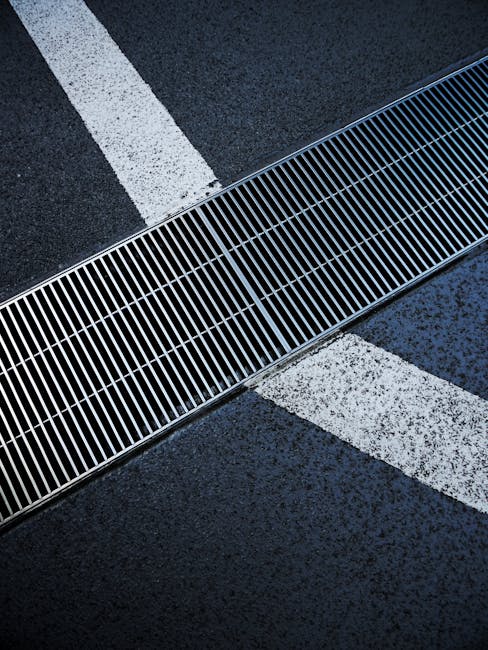
Why Are Trench Drains Important for Safety on Commercial Properties?
Commercial trench drains serve as a crucial defense against water accumulation, directly contributing to overall site safety. Especially in a region like Indianapolis, where seasonal rains and snowmelts can quickly overwhelm paved areas, managing water run-off isn’t just about convenience—it’s about preventing hazards for both people and vehicles.
Trench drains are linear drainage solutions built into the surface of sidewalks, parking lots, loading bays, and drive lanes. Their design channels surface water away, helping to minimize the risks of slippery conditions, hidden puddles, and erosion.
How Do Trench Drains Help Prevent Slips and Falls?
The immediate benefit of a commercial trench drain system is its ability to keep walking surfaces dry. In Indianapolis, where freeze-thaw cycles in late fall and early spring are common, excess water on surfaces can quickly turn to ice or leave slick surfaces after a rain.
- By capturing and channeling runoff right at the surface, trench drains help reduce puddling in critical pedestrian zones like entryways, ramps, and sidewalks.
- This is especially crucial near frequently used public areas, making slips and falls far less likely after storms or during snowmelt season.
Small businesses, healthcare sites, and busy retail properties often overlook drainage until an accident draws attention to problem spots—careful design and routine maintenance of trench drains can prevent these incidents from occurring in the first place.
Can Trench Drains Reduce Vehicle Hazards in Parking Lots and Driveways?
Standing water in parking lots and on drive lanes isn’t just inconvenient—it can cause hydroplaning, reduce tire traction, and contribute to pothole formation. In Indianapolis, parking areas can become especially hazardous during heavy spring and summer thunderstorms.
- Trench drains at slope transitions, garage entries, and drive-thru lanes quickly direct run-off away from driving surfaces.
- Well-placed drainage prevents water from ponding, reducing the chances of skidding or accidental loss of vehicle control.
- Channeling water away from loading docks and service entrances also protects against delivery delays and damage to transported goods.
A common misconception is that surface drains alone can handle water issues; however, trench drains dramatically improve safety at larger paved sites by dispersing water steadily and predictably.
Do Properly Maintained Trench Drains Minimize Structural Damage Risks?
Left unchecked, pooling water seeps into foundations and paved surfaces, leading to cracking, subsidence, and frost heave. In the Indianapolis environment—with its clay-heavy soils that expand and contract through wet and dry periods—structural distress from poor drainage is an ongoing concern for commercial site managers.
Trench drains intercept water before it can seep into joints, eliminating one of the most common sources of long-term damage:
- Frequent freeze-thaw cycles cause unprotected concrete to break down faster.
- Foundations are less likely to shift or sink if surface water is given an efficient route away from buildings.
Businesses located in older or high-traffic districts may notice cracking or settlement near overloaded drains; regular inspection and timely cleaning help protect both paved surfaces and deeper structure, making the site safer for longer.
How Can Proper Drainage Improve ADA Accessibility?
Compliance with the Americans with Disabilities Act (ADA) is especially relevant in Indianapolis’s commercial zones. Accessible paths must be free of obstructions and excessive water to ensure safe, independent passage for all users.
- Trench drains located at curb ramps and transition points can prevent water from pooling in places where wheelchair users, staff, or visitors with mobility aids cross busy driveways or parking zones.
- Reducing sloped areas prone to erosion or washout improves access for everyone.
Most accessible design guidelines recommend the regular assessment of drainage features to make certain that ramps and sidewalks remain stable and dry—not just when first constructed but as zoning evolves or surfaces settle over time.
What Maintenance Does a Trench Drain System Require to Preserve Safety?
Even the best-designed trench drain will eventually clog without routine attention. Leaves, trash, silt, and road debris are all common culprits—especially following autumn leaf drops or heavy summer storms in Indianapolis.
A few practical steps for local businesses to keep drains effective:
- Inspect grates frequently to ensure they’re firmly in place and not blocked.
- Schedule routine clean-outs, especially before winter to reduce icing risk.
- After significant weather events, check for debris build-up or obstructions.
Ignoring small blockages can quickly lead to costly repairs or flooding hazards, so periodic checks are worth the investment in longer-term site safety.
Are There Regulatory or Insurance Benefits to Managing Water Effectively?
Many Indianapolis area properties are subject to local stormwater regulations, particularly in developed or redeveloping districts. Proper management of surface water through commercial trench drains not only improves physical site safety but can also:
- Reduce the risk of citations or code violations related to runoff.
- Impact insurance assessments by demonstrating proactive risk management.
- Help meet requirements for new construction, expansions, or renovations involving public access.
Some commercial property owners mistakenly believe that only major construction needs to worry about drainage standards; ongoing compliance is necessary for all businesses, large and small, throughout the city.
What Are Common Misconceptions About Trench Drains and Site Safety?
Trench drains are sometimes viewed as “set-and-forget” solutions or add-ons rather than essential infrastructure. However, there are a few common errors that can undermine their effectiveness:
- Assuming that once installed, trench drains don’t require any further attention.
- Believing that trench drains are only necessary in flood-prone zones—many minor water issues can still cause safety problems.
- Underestimating how small design changes, like adjusting grate size or placement, can dramatically affect performance in high-traffic or high-volume areas.
By staying informed and proactive, local business owners and facilities managers can reduce risks, protect their investments, and keep their sites safer season after season.