

 See My Latest Article on HelloNation
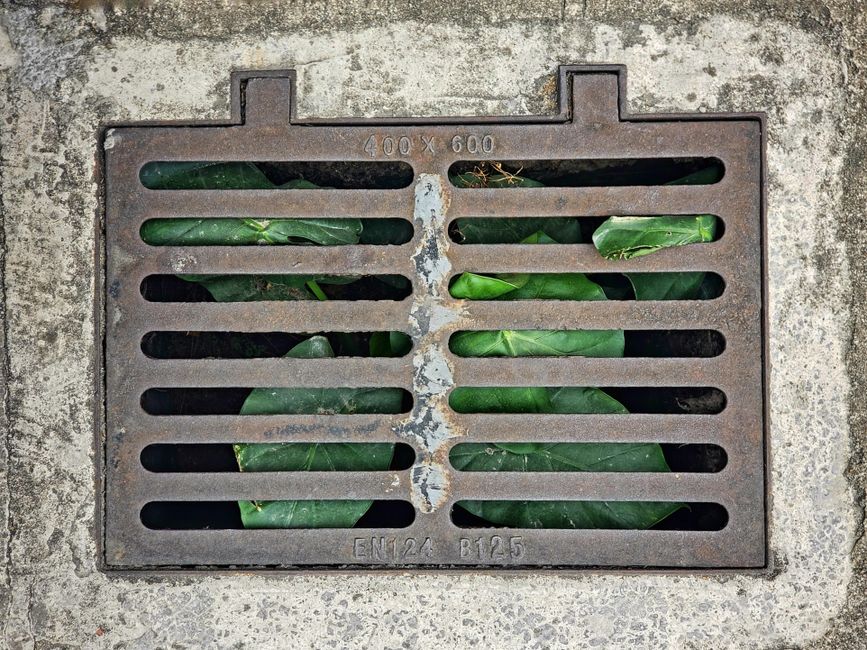
Parking lots need a drainage plan that works during ordinary rain as well as intense summer storms, freeze-thaw cycles, and winter snowmelt. For commercial properties in Indianapolis, IN, trench drains can help collect surface water before it spreads across driving lanes, gathers near building entrances, or damages pavement edges.
A trench drain is a narrow linear drainage channel installed flush with the pavement. A grate covers the channel so vehicles and pedestrians can cross it while water flows below the surface. The system then directs runoff toward an approved discharge point, such as a stormwater structure, detention area, or other engineered outlet.
Why do parking lots need more than a few point drains?
Parking lots often cover large areas with asphalt or concrete that allow very little water to soak into the ground. Water therefore travels across the pavement until it reaches a low point. If the lot has long slopes, broad drive lanes, loading areas, or irregular grading, a few widely spaced catch basins may not collect runoff quickly enough.
Trench drains are useful because they intercept water across the full width of a channel rather than at a single opening. This can be helpful in areas such as:
- Parking lot entrances and exits
- Loading docks and service yards
- Sloped ramps and drive aisles
- Areas in front of commercial doors
- Transitions between parking pavement and buildings
- Low points beside retaining walls or raised curbs
- Locations where runoff crosses pedestrian routes
The goal is not simply to move water away quickly. Effective drainage also limits ponding, reduces ice formation, and helps keep runoff from carrying sediment and debris toward building foundations or neighboring properties.
How does a trench drain control surface water?
A trench drain collects water through a continuous grate positioned across the flow path. The channel beneath the grate temporarily carries the water and directs it toward a connected outlet.
Its performance depends on several design details:
1. Channel placement: The drain must be located where water naturally travels. Installing a channel several feet away from the actual low point can leave standing water behind.
2. Pavement slope: The surrounding parking surface should guide runoff toward the grate. A drain cannot compensate for poor grading across the entire lot.
3. Channel capacity: The channel width, depth, outlet size, and number of outlets must match the expected water volume.
4. Grate selection: Grates should be suitable for the traffic crossing them. A pedestrian walkway, passenger vehicle lane, and heavy loading area may require different load ratings and grate designs.
5. Discharge planning: Collected water needs a lawful and practical destination. Sending concentrated runoff toward an adjacent property, sidewalk, or public roadway can create additional problems.
Where are trench drains most useful in a commercial parking lot?
The most effective location is usually a transition where water changes direction, gathers at a low point, or crosses an area that must remain passable.
At parking lot entrances, a trench drain can intercept runoff before it reaches a public sidewalk or roadway. At loading docks, it can collect water moving toward dock doors and reduce the chance of water entering the building. In front of commercial entrances, a properly placed drain can help keep door thresholds and accessible routes drier during storms.
Trench drains may also be appropriate across the bottom of a sloped parking area. However, the system should be coordinated with the surrounding pavement so that water does not bypass the channel at the sides.
They are not automatically the right choice for every location. A large open lot may be better served by a combination of surface grading, catch basins, underground piping, detention features, and permeable or landscaped areas where appropriate.
What local weather conditions affect parking lot drainage?
Indianapolis experiences conditions that can make drainage problems more persistent than a single heavy rainfall event suggests. Freeze-thaw cycles can widen pavement cracks, shift channel edges, and create uneven surfaces around grates. Winter snow piles can block drainage paths, while melting snow may release water gradually over several days.
Spring storms can expose problems that were not visible during dry weather. Leaves, gravel, salt residue, and sediment may collect in the channel and reduce its usable capacity. Summer downpours can then overwhelm a partially blocked system.
Parking lot operators should pay particular attention to:
- Drainage performance after snow removal
- Ponding that lasts beyond the end of a storm
- Ice forming around grates or channel edges
- Cracks or settlement along the drain
- Grates that rock, bend, or sit below the pavement
- Water bypassing the channel at its ends
- Sediment or trash accumulating in the channel
These signs do not always mean the entire system has failed. They may indicate a blocked outlet, damaged grate, settlement, inadequate slope, or a maintenance problem.
How should trench drains be maintained?
Routine maintenance is essential because a trench drain is exposed to everything carried across a parking lot. Grit, leaves, litter, deicing material, and vehicle fluids can collect under the grate or at the outlet.
A practical maintenance program may include:
- Removing visible debris from grates and channel openings
- Inspecting the drain before and after the winter season
- Checking outlets for blockage
- Confirming that grates are secure and level with the pavement
- Flushing or cleaning the channel when sediment builds up
- Recording recurring ponding locations after major storms
- Repairing cracked pavement near the drain before water can enter the base
Cleaning frequency depends on site conditions. A landscaped office lot may need less frequent attention than a busy loading area surrounded by gravel or construction traffic. Maintenance should also account for access requirements. A drain covered by a fixed structure, parked equipment, or accumulated snow is harder to inspect and clean.
Runoff that may contain oil, chemicals, or other pollutants should be handled according to applicable stormwater requirements. A trench drain should not be treated as a convenient way to send contaminants directly into a stormwater system.
What mistakes reduce trench drain performance?
The most common mistake is treating the drain as an isolated product rather than part of the parking lot’s overall grading and stormwater design. Even a properly installed channel may perform poorly if the surrounding pavement slopes away from it.
Other frequent problems include:
- Using a grate that is not suited to expected vehicle loads
- Installing the channel without adequate support beneath it
- Allowing pavement to settle beside the drain
- Placing the drain where snowplows can catch or damage the grate
- Failing to provide cleanout or maintenance access
- Connecting the outlet to an undersized or blocked pipe
- Assuming a narrow channel can handle runoff from an entire lot
- Ignoring accessible route requirements near pedestrian areas
Snow removal deserves special attention in this region. Blades, plow trucks, and stored snow can place unusual stress on grates and channel edges. Drain locations should be visible, protected from direct impacts where practical, and incorporated into the site’s winter maintenance plan.
Does a trench drain replace proper site grading?
No. Trench drains collect and convey water, but grading determines whether water reaches the drain in the first place. A parking lot with settlement, reverse slopes, or uneven patches may continue to pond even after a channel is installed.
The most reliable approach evaluates the whole drainage path: where water originates, how it crosses the pavement, what the trench drain can collect, and where the flow goes afterward. For commercial properties, that review should also consider traffic loading, snow operations, pedestrian movement, pavement replacement plans, and applicable site requirements.
When hazardous ponding, repeated flooding, structural settlement, or uncertain discharge conditions are present, design and compliance decisions may require qualified engineering or public-agency review. That is especially true when proposed drainage changes could affect neighboring parcels, public rights-of-way, or regulated stormwater systems.
A well-planned trench drain does more than remove visible water. It becomes one part of a coordinated parking lot system that protects access, supports pavement performance, and reduces avoidable problems during the wet, snowy, and freeze-thaw seasons common in Indianapolis.