

 See My Latest Article on HelloNation
Why Does Surface Water Accumulate Around Commercial Properties?
Surface water gathers quickly in paved city environments because rain and runoff cannot soak into hard surfaces like concrete and asphalt. Indianapolis, IN, in particular, sees heavy spring and summer storms, with rainwater often pooling in parking lots, loading areas, and around building foundations. Without natural soil for absorption, this water seeks the lowest points and collects wherever slopes and drains direct it.
Urban developments, including commercial buildings and their surroundings, often have large roof and pavement areas where water can accumulate. The consequence is more than just inconvenience: standing surface water can accelerate pavement deterioration, create trip hazards, and facilitate property damage.
How Do Trench Drains Work to Control Surface Water?
Trench drains, also called linear drains or channel drains, capture surface water and quickly move it away from high-traffic or vulnerable zones. These systems look like long, narrow channels in the ground, generally covered by grated tops flush with the ground’s surface.
The function is simple:
- Water flows into the top grate and drops into the trench below.
- The channel redirects water toward a safe discharge point, such as a stormwater system or retention pond.
By intercepting water before it spreads or pools, trench drains maintain safer and drier conditions around commercial buildings and lots.
Where Are Trench Drains Most Needed on Commercial Sites?
Trench drains are especially effective anywhere large amounts of water regularly accumulate. In Indianapolis, the most common locations include:
- Along parking lot perimeters and drive-through lanes
- Across building entrances and loading docks
- Around outdoor plazas and common areas
- At the bottoms of wheelchair ramps
These locations are prone to pooling after intense rainfall, which is frequent throughout late spring and early summer. Addressing these areas first helps prevent both property damage and interruptions for businesses.
What Problems Does Surface Water Cause for Commercial Properties?
If left unmanaged, surface water can cause numerous issues for business properties, such as:
- Accelerated pavement cracking and potholes from repeated freeze-thaw cycles
- Structural damage to foundations and basements through seepage
- Increased slip and fall risks for pedestrians
- Shorter lifespan for parking lots and walkways
In communities like Indianapolis, where rapid weather shifts are common, issues can also arise from rain that quickly turns to ice in colder months, making pooled water even more hazardous.
Are Trench Drains the Same as Traditional Storm Drains?
Trench drains are not the same as traditional storm drains. While both are designed to direct water away, trench drains capture water spread over a wide surface, while storm drains are more like point collectors that handle run-off channeled to a single grate.
In commercial areas, trench drains provide a continuous line of collection, which is especially helpful in locations where water approaches over a broad area—such as long driveways or property boundaries.
Do Trench Drains Impact Compliance with Local Regulations?
Many property managers in Indianapolis face requirements to manage and control stormwater on-site. City regulations often mandate that landowners limit water flow from commercial properties into the municipal stormwater system to prevent overloading community infrastructure.
Trench drains form an integral part of compliant stormwater management systems in commercial developments. When connected to approved discharge points or onsite detention systems, they help properties meet local codes for runoff control, often required before new developments are permitted.
What Should Indianapolis Businesses Consider When Planning Trench Drain Installations?
Selecting and placing trench drains isn’t just a matter of digging a channel. Effective drainage depends on:
- Proper grading, so water naturally flows toward the trench drain
- Correct sizing to handle the volume expected for a site’s paved area
- Durability of materials to withstand both local weather and the weight of commercial vehicles
Failing to match trench drain design to site conditions can result in ineffective drainage, reduced safety, and higher maintenance costs.
What Are Common Misconceptions About Trench Drains?
Some frequent misconceptions include the belief that:
- Trench drains are only necessary for industrial sites, when in reality, even smaller commercial plazas or office complexes in the city can benefit.
- Any linear drain will work anywhere; in truth, drains must be chosen for their specific load class and environment.
- Maintenance needs are minimal. While trench drains are low-maintenance, they still require occasional cleaning to remove debris and keep water moving freely.
Taking a realistic, site-specific approach helps avoid costly oversights.
How Can Ongoing Maintenance Support Drainage Effectiveness?
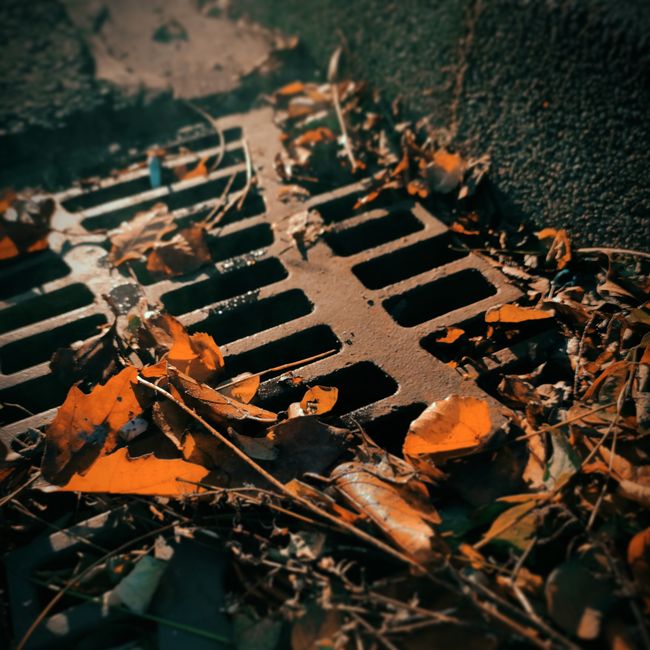
Routine inspection and debris removal ensures that trench drains remain clear and effective. In the city’s fall and spring especially, leaves and wind-blown debris can clog grates. Catching minor obstructions early prevents larger drainage backups.
Simple steps for commercial property management include:
- Periodic visual inspection after storms
- Regular removal of collected debris from grates
- Scheduled cleaning, especially in high-traffic or leaf-prone areas
Effective maintenance supports the full lifespan of drainage systems.
What Are the Benefits to the Local Community?
By efficiently moving surface water away from public thoroughfares and business entrances, trench drains help protect local sidewalks, reduce slip and fall hazards, and prevent soil erosion. Fewer puddles and ice patches benefit everyone, including employees, customers, and delivery personnel.
Good drainage design throughout the city’s business districts also helps support healthier soils and waterways by reducing contamination from runoff.