

 See My Latest Article on HelloNation
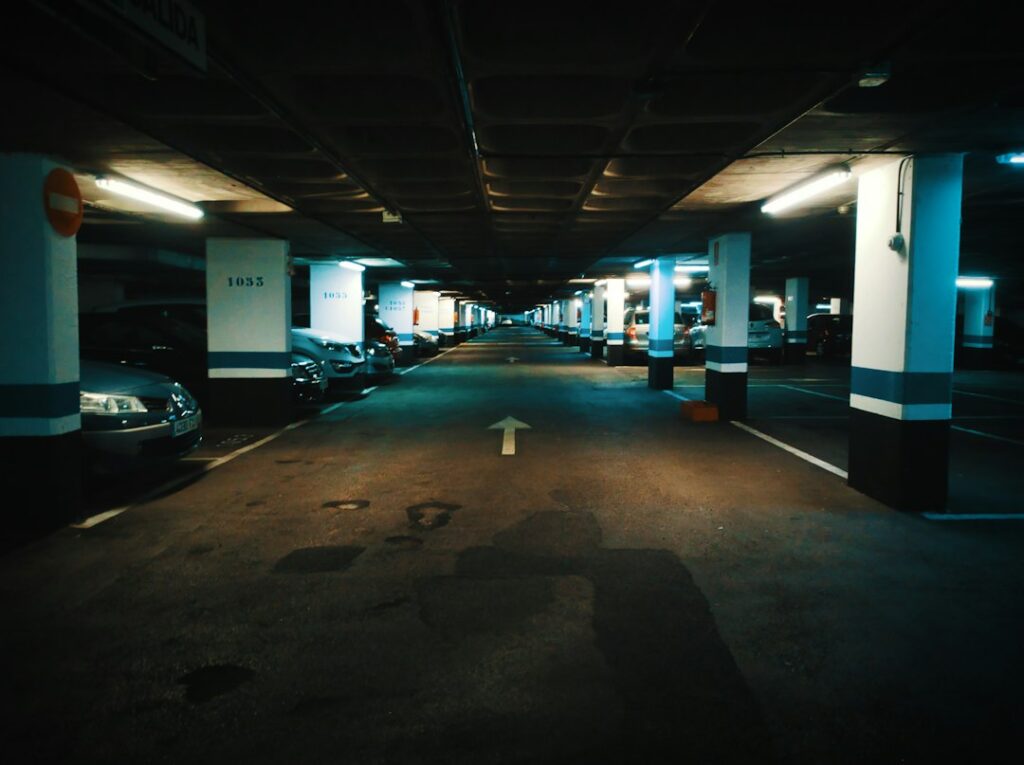
Parking garages depend on reliable drainage to control rainwater, snowmelt, wash water, and vehicle fluids. A trench drain system can help collect runoff across drive lanes, ramps, entrances, and low points, but its performance depends on more than the drain channel itself.
For commercial property managers, owners, and facility teams in Indianapolis, drainage decisions should account for freeze-thaw cycles, deicing materials, heavy traffic, maintenance access, and the way water moves through the entire structure.
Where are trench drains most useful in a parking garage?
Trench drains are most useful where water naturally concentrates or where broad surface drainage is difficult to achieve with isolated floor drains. Common locations include:
- Garage entrances and exits
- Downward vehicle ramps
- Sloped transition areas
- Low points between parking levels
- Areas near pedestrian doors
- Loading or service zones
- Wash-down areas, where permitted
- Open-sided sections exposed to rain and snow
A trench drain creates a continuous collection point rather than relying on a single grate. This can be helpful at the bottom of a ramp, where water may flow across the full width of the driving surface.
The system still needs to be coordinated with the garage’s structural slopes, waterproofing, expansion joints, and discharge points. A drain installed in the wrong location may collect little water, while a drain placed across an active traffic path may face unnecessary impact and maintenance problems.
How does Indianapolis weather affect garage drainage?
Seasonal weather makes drainage planning more demanding. Rainfall, snowmelt, road salt, and repeated freezing and thawing can all affect the system.
Snow and ice carried into a garage can melt quickly on concrete surfaces. If the meltwater cannot reach a drain, it may spread across travel lanes, collect near walls, or refreeze in colder areas. This can create slip hazards and increase deterioration of concrete surfaces.
Freeze-thaw movement is another concern. Water that remains around channel edges, joints, or damaged concrete can freeze and expand. Over time, this may contribute to cracking, spalling, shifting grates, and separation between the drain assembly and surrounding pavement.
Deicing salts can accelerate corrosion of exposed metal components and may damage adjacent concrete if water remains concentrated in one area. Drainage design should therefore consider both hydraulic capacity and resistance to the local maintenance environment.
What load rating is appropriate for a parking garage?
The grate and channel assembly must be selected for the traffic it will carry. A garage used primarily by passenger vehicles may have different loading demands than a facility serving delivery vehicles, maintenance trucks, emergency vehicles, or buses.
Load classification should account for:
- Vehicle type and weight
- Traffic frequency
- Turning and braking forces
- Wheel loads near garage entrances
- Forklifts or service equipment
- Snow-removal and maintenance operations
- Possible future changes in garage use
A grate that appears adequate under a static load may still fail prematurely if vehicles repeatedly turn across it or strike the edge at an angle. Dynamic forces, impact, and poor support beneath the grate can be as significant as the rated load itself.
The surrounding concrete is also part of the load-bearing system. Even a strong grate can loosen, crack, or settle if the channel is not properly supported or if the pavement around it has deteriorated.
Should a trench drain run across a ramp?
A drain across a ramp can be effective, but the transition requires careful detailing. The grate should sit level with the surrounding surface, and the channel should be supported so it does not settle below the concrete.
A poorly aligned drain can create a bump that affects vehicles, bicycles, carts, and pedestrians. It can also leave a lip that catches tires or collects debris. At steep ramps, the drain must be positioned and detailed so runoff enters the system instead of bypassing it along the edges.
The ramp’s slope, traffic direction, turning movements, and expected debris should be reviewed together. In some cases, a wider collection zone or multiple drainage points may work better than a single narrow trench.
How should grates be selected for safety?
Grate design affects both drainage performance and everyday safety. Openings should be appropriate for the facility’s users and should not create avoidable hazards for pedestrians, carts, bicycles, or mobility devices.
Useful considerations include:
- Slip resistance in wet and icy conditions
- Openings that reduce the risk of heel or tire entrapment
- Secure fastening to prevent movement or theft
- A surface that does not create a sharp vertical edge
- Compatibility with cleaning equipment
- Corrosion resistance in areas exposed to salt and moisture
A grate that is difficult to remove may discourage routine cleaning. Conversely, a loose or easily displaced grate can create a hazard in a high-traffic area. The practical choice is usually one that balances secure installation with reasonable maintenance access.
What maintenance problems should facility teams expect?
Parking garage drains collect more than water. Sand, leaves, litter, grit, salt residue, tire debris, and sediment can enter the channel, especially near entrances and open sides.
Routine inspection should look for:

- Standing water after rainfall or snowmelt
- Sediment buildup inside the channel
- Blocked or slow-flowing outlets
- Cracked concrete along the drain edges
- Loose, noisy, or damaged grates
- Rust or deterioration of metal components
- Water leaking below the intended collection area
- Repeated icing near ramps or entrances
Cleaning frequency depends on exposure and traffic. A drain near an outdoor entrance may need attention more often than one on an enclosed level. Maintenance records can help identify seasonal patterns and reveal whether recurring blockages are caused by debris, inadequate slope, or an undersized outlet.
A drain should not be treated as a substitute for surface cleaning. Removing loose debris from nearby pavement reduces the amount entering the channel and helps preserve flow capacity.
How do trench drains interact with the garage structure?
Drainage components must work with the structure rather than interrupting it. Parking garages often include post-tensioned or reinforced concrete elements, construction joints, expansion joints, waterproofing systems, and areas with limited structural depth.
Cutting or modifying concrete without understanding the structure can damage reinforcement, embedded systems, or protective barriers. Drain placement should be coordinated with available depth, outlet routing, waterproofing details, and the structural engineer’s requirements where applicable.
The connection between the drain and surrounding concrete is especially important. If water reaches the underside of the slab or migrates through a failed joint, the visible drain may appear functional while the structure continues to experience moisture damage.
Does a trench drain replace other garage drainage features?
Usually, no. A parking garage may need a combination of trench drains, point drains, floor slopes, scuppers, downspouts, collection piping, sump systems, or other approved drainage elements.
Trench drains are most effective when they are part of a complete plan. They collect water at the surface, but another system must carry that water away safely. If the outlet is restricted, undersized, poorly sloped, or vulnerable to freezing, the trench may fill even when the channel itself is clear.
Facility teams should also verify how drainage areas are separated. Water containing vehicle fluids, cleaning agents, or concentrated salt residue may require specific handling under applicable building, environmental, or stormwater requirements.
What should be reviewed before a garage renovation?
Before replacing or adding a trench drain, document how the area performs during different weather conditions. Photographs and observations after heavy rain, snowmelt, and cleaning can reveal flow paths that are not obvious during dry conditions.
A practical review should include:
- Existing floor slopes and low points
- Drainage during intense rainfall
- Icing or ponding patterns
- Traffic and vehicle loading
- Concrete condition around the proposed drain
- Access for cleaning and inspection
- Outlet location and capacity
- Structural and waterproofing constraints
- Applicable building and stormwater requirements
The most reliable drainage solution is rarely determined by channel size alone. It results from matching the collection point, grate, support conditions, outlet, and maintenance plan to the actual demands of the parking structure.