

 See My Latest Article on HelloNation
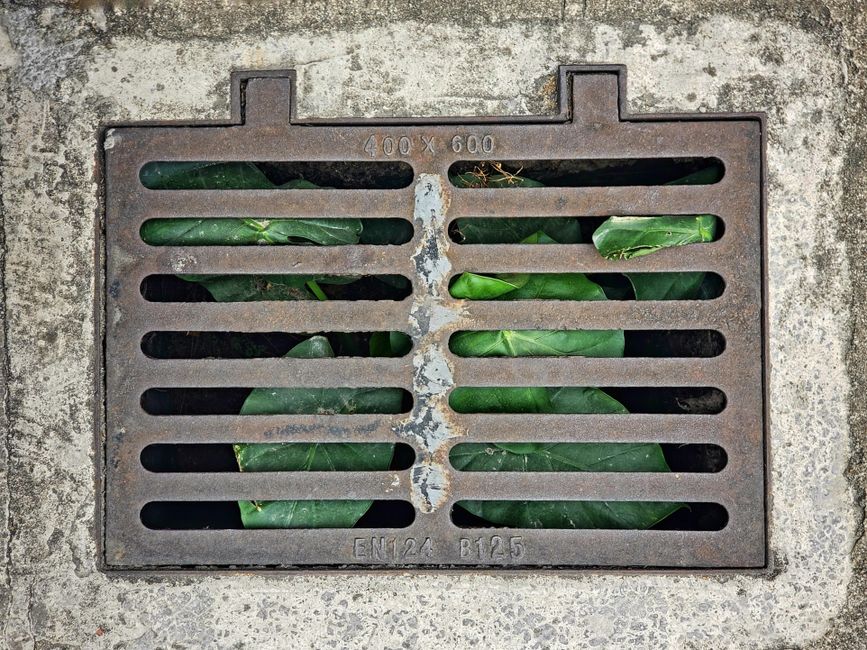
What Are Load Ratings, and Why Do They Matter for Trench Drains?
Load ratings in trench drain systems define how much weight a drainage system can safely support. These ratings are especially crucial in busy commercial environments throughout Indianapolis, where areas like parking lots, loading docks, warehouses, and drive lanes routinely see everything from passenger vehicles to delivery trucks. Choosing the right load rating keeps drainage structures intact and prevents unexpected failures that could impact business operations or endanger safety.
How Are Load Ratings Determined?
Load ratings are based on standardized testing that simulates real-world pressures. Drain covers and grates are tested for resistance to breaking or deforming under different weights. Common rating systems include the American Association of State Highway and Transportation Officials (AASHTO) and the European EN 1433 standard.
In commercial settings, you’ll commonly encounter:
- Light-duty (pedestrian/bicycle traffic)
- Medium-duty (cars and light trucks)
- Heavy-duty (commercial trucks, forklifts, delivery vehicles)
- Extra heavy-duty (fire trucks, semi-trailers, airport or industrial applications)
Why Does the Right Load Rating Matter in Indianapolis?
The local environment brings unique considerations:
- Commercial properties may need to handle fluctuating loads during large events or high-traffic periods.
- Freeze-thaw cycles in Indianapolis can weaken infrastructure over time, making proper load ratings essential for longevity.
- Snow removal equipment and salt can add unexpected weights and abrasions to surface systems.
Mismatched load ratings have led in the past to broken trench grates, sunken drain lines, and even accidents in parking lots after heavy vehicles caused failures. These incidents highlight why understanding load limits is not just a technicality but a key factor in public safety and maintenance.
What Can Happen If Load Ratings Are Ignored?
Selecting a trench drain with an insufficient load rating can cause several problems:
- Cracked or collapsed drain covers, exposing open trenches
- Water pooling or improper drainage from warped grates
- Increased risk of trips and falls for pedestrians
- Costly repairs, often at inconvenient times
Area business owners have seen damage after snow plows or delivery trucks crossed grates designed for lighter use, underscoring the everyday risks of skimping on ratings.
What Should Indianapolis Facility Managers Consider?
Facility and property managers can avoid issues by:
1. Identifying the heaviest vehicle or equipment the area will routinely support.
2. Considering future changes in site use—will delivery vehicle sizes or traffic patterns change?
3. Reviewing local codes, which may stipulate minimum requirements for commercial areas.
4. Understanding that drainage systems in high-traffic or industrial zones often need ratings higher than those in residential settings.
Regular site inspections after harsh weather, construction, or high-traffic events can catch minor structural damage before it turns into a failure.
Are Load Ratings Only About the Grate Strength?
While grates are the visible part, the underlying trench body and installation method are important too. Systems installed on improperly prepared ground or without enough concrete reinforcement can fail, even if the grates themselves are rated correctly.
Other overlooked factors include:
- Drain width: Wider drains may need higher strength ratings.
- Grate material: Cast iron, ductile iron, and reinforced composite each offer different strengths.
- Debris loads: Heavy debris or silt can add weight, especially during storms.
Common Misconceptions about Trench Drain Load Ratings
Several misunderstandings are seen in the field:
- Assuming all trench drains have the same strength—load ratings can differ rapidly by model and material.
- Believing that residential-grade systems work for commercial settings due to "light" vehicle traffic; however, even an occasional heavy delivery can stress a system past its limits.
- Overlooking future property changes—what works for today's needs may not be safe next year.
How Do Local Conditions in Indianapolis Affect Trench Drain Longevity?
Winter in Indianapolis can place extra strain on drain systems. Ice and snow weight, combined with thawing cycles and road salt, accelerate material fatigue. Drainage systems that take snow removal vehicle loads into account last longer and reduce accident risks for customers, tenants, and staff.
Because commercial sites often double as event spaces or receive oversized vehicles, choosing a system with a margin above usual loads adds long-term value and reliability.
Does Compliance With Codes Guarantee Safety?
Local building codes provide minimum standards but may not address unusual or peak loads for specialty vehicles, emergency access, or maintenance equipment. Facility managers often go above the code when designing high-use areas, factoring in not just the current requirements but also the reality of storms, equipment changes, and evolving business needs.