

 See My Latest Article on HelloNation
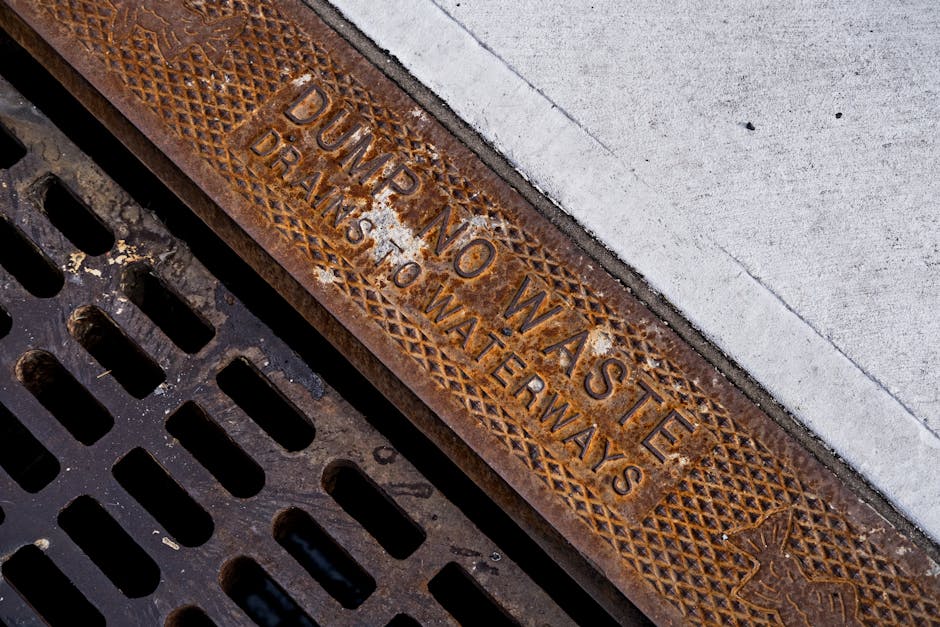
If you live in Indianapolis, you know how essential a well-running drainage system is, especially during our unpredictable wet springs and chilly winters. Clogged drains can quickly escalate from a minor inconvenience to a major headache, whether you’re managing an old Broad Ripple bungalow or a modern Geist-area home. Local sewer systems have to stand up to seasonal changes, heavy rainfall, and the occasional influx of leaves or debris. Fortunately, many simple and effective DIY drain cleaning tips can help keep your system running smoothly without a call to the pros.
Why Drains Get Clogged in Indianapolis
Indianapolis landscapes have their quirks—think shedding trees in the fall, gritty winter road salt, and muddy runoff during spring thaws. Drains here take a beating from:
- Washing dirt, sand, and debris down outdoor drains
- Grease and food scraps from big family dinners or summer cookouts
- Hair and soap buildup after months of indoor activities during winter
- Leaves, pine needles, and other outdoor matter, especially after storms
Recognizing the unique stressors on your drains helps you choose the right approach to cleaning.
The Boiling Water Flush: Quick and Easy
Sometimes, the simplest solutions are surprisingly effective. For slow-draining sinks or tubs, especially if you suspect a buildup of soap scum or grease, try boiling water:
- Bring a large pot of water to a boil.
- Carefully pour the boiling water directly into the drain in stages, allowing it to work between pours.
The boiling water dissolves fatty deposits and loosens debris. While this method may not clear the toughest clogs, it’s gentle and worth trying first, particularly in kitchens after heavy holiday cooking.
Baking Soda and Vinegar: The Classic Indianapolis Solution
The baking soda and vinegar combo is a safe and eco-friendly solution that’s perfect for regular maintenance. Here’s how locals can tackle drain sluggishness:
- Pour 1/2 cup of baking soda down the drain.
- Follow with 1/2 cup of white vinegar.
- Let the mixture fizz and work for at least 15 minutes (or up to an hour for stubborn build-up).
- Rinse with hot water.
This method is great because it doesn’t damage older pipes—a big plus for historic homes in Irvington or Woodruff Place.
Manual Tools: Plungers and Drain Snakes
Plungers aren’t just for toilets. Keep a dedicated sink/tub plunger on hand for minor blockages:
- For kitchen and bathroom drains, fill the sink or tub with enough water to cover the plunger bell.
- Make sure you have a tight seal and plunge up and down several times.
- For persistent clogs, a basic drain snake (available at any Indianapolis hardware store) can be your best friend.
Feed the snake slowly into the drain, twisting as you go. When you hit a clog, you’ll feel resistance—keep twisting and push gently, then pull out the debris. This works especially well on hair and solid blockages.
Remove and Clean the Drain Trap
Homes in Indianapolis, especially older ones, may have pipe configurations that trap more debris. Underneath sinks, the P-trap (the curved pipe) is often the worst offender:
- Place a bucket beneath the trap to catch water.
- Unscrew the slip nuts and remove the trap.
- Clear out any gunk and rinse the trap before reinstalling it.
A monthly check can prevent major backups and is generally a 10-minute job with basic tools.
Preventive Tips for Local Indianapolis Conditions
While cleaning is crucial, prevention is the real key to long-lasting drains in our city:
- Install drain screens to catch hair and debris—these are a must for households near wooded areas or with lots of trees.
- Never pour grease or oil down the drain. Instead, store it in a container and toss it in the trash.
- In the fall, regularly clear gutters, yard drains, and exterior grates to avoid clogs from leaves and seeds—which are plentiful thanks to our many mature neighborhoods.
- During freezing spells, let a trickle of water run from seldom-used taps to prevent pipes from freezing and possibly bursting.
When to Call a Pro
Some Indianapolis clogs are too tough for DIY fixes, especially if:
- Multiple drains are backing up at once, suggesting a main line blockage
- There’s a foul sewer odor that won’t go away
- Water sits and won’t drain at all, despite your best efforts
In these cases, professional help ensures your drainage issues don’t turn into property damage or flood your basement during a storm.
The Indianapolis Advantage: Seasonal Maintenance Pays Off
Keeping up with drain cleaning isn’t just about comfort; it’s about protecting your investment as a homeowner in Indianapolis’s ever-changing climate. By integrating these proven DIY strategies into your seasonal checklist, you’ll prevent many common problems and have peace of mind—whether you’re gearing up for March Madness parties or prepping for the Indy 500 cookout season. Stay proactive, and you’ll enjoy clear, fast drains all year round.