

 See My Latest Article on HelloNation
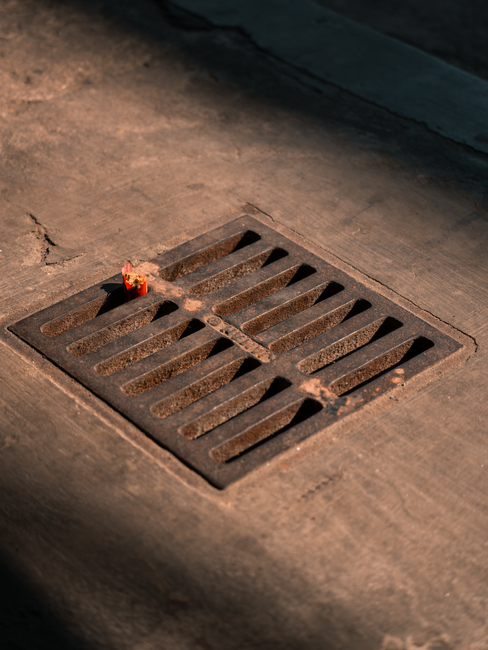
What Determines Trench Drain Performance in Commercial Settings?
Trench drain performance depends on several factors, including system design, installation practices, local weather, and maintenance. For facility managers in Indianapolis, meeting local water management needs starts with knowing how these elements interact within the city’s variable climate.
Indianapolis faces freeze-thaw cycles, heavy spring and summer storms, and seasonal debris accumulation. Trench drains must be designed to handle typical rainfall intensities and winter salt exposure, with grating that resists clogging from leaves and local debris.
How Does Local Climate Affect Trench Drain Functionality?
Annual weather patterns in the region stress drainage infrastructure. Winter brings ice and snow, leading to freeze-thaw cycles that can damage poorly installed or maintained trench drains. Spring and summer can deliver intense rainfall, causing rapid inflows needing efficient drainage.
Facility managers should expect that:
- Salt and de-icing chemicals used on walkways can corrode metal components.
- Seasonal leaf drops and roadway grit quickly accumulate in trenches.
- Sudden downpours, sometimes exceeding two inches/hour, test the system’s capacity and clearance.
Proactive inspection is key before heavy rains or after severe cold spells. Regular attention helps spot potential blockages or physical damage early.
What Are Common Performance Issues Seen in Trench Drains?
Several recurring issues affect the performance of trench drains in area facilities:
- Grate Blockages: Leaves, litter, gravel, and snow quickly obstruct drainage—slowing or stopping flow.
- Structural Damage: Frost heave, heavy traffic, or poor installation may shift or break sections, causing pooled water or collapse.
- Sediment Build-up: Runoff from parking lots and landscaping deposits dirt and fine sediment, leading to reduced flow and ponding.
- Odor and Mold: Standing water from poor drainage may trigger odors, mold, and slip hazards—especially in enclosed or high-traffic spaces.
Recognizing these problems early helps avoid water damage and unsafe conditions.
How Should Maintenance Be Scheduled and Performed?
Routine inspection and cleaning schedules are crucial to keep trench drains working reliably. Local facility managers often underestimate the necessary frequency.
Best practices include:
- Inspect and clear grates before and after major storms, and at minimum once per month in spring and fall.
- Remove accumulated debris manually—not just at the surface, but also within the trench channel.
- After freezing weather events, check for frost-heave damage and displaced or broken grates.
- Monitor water movement after cleaning to ensure full drainage and spot lingering problem areas.
Winter requires extra vigilance. Salts accelerate rusting and can degrade concrete or metal trench structures over repeated exposure.
What Misconceptions Lead to Performance Failures?
A few assumptions commonly undermine trench drain reliability:
- Believing all trench drains require only annual inspection. Local precipitation and debris loads demand more frequent attention.
- Assuming new installations will remain trouble-free for several years.
- Using “universal” grates not rated for the facility’s weight load—causing premature grating damage when subjected to commercial traffic.
- Overlooking design pitch or incorrect installation, leading to standing water or reverse flow.
Highlighting these realities during facility staff training or turnover can help set realistic expectations and prevent disruption.
Are There Local Codes or Guidelines Affecting Trench Drain Systems?
Commercial properties in Indianapolis must adhere to local water management ordinances and relevant building codes for stormwater control. While most trench drain requirements are based on national engineering standards, facility managers should:
- Consult with local code enforcement for parking lot drainage, especially during remodels or new pavement projects.
- Ensure system modifications or replacements are permitted and documented according to city guidelines.
- Retain records of system layout and maintenance activity, which can assist with future inspections or incident responses.
Staying up-to-date with local expectations helps ensure both compliance and liability protection.
What Should Facility Managers Know When Upgrading or Replacing Trench Drains?
Older commercial sites may have outdated or insufficient drainage for new building uses or increased parking capacity. When planning a replacement or upgrade:
- Evaluate current and future runoff volumes based on building or pavement changes.
- Confirm that new grates match projected vehicle and foot traffic for safety and durability.
- Consider climate-adapted materials that resist local corrosion sources and seasonal abuse, such as freeze-thaw cycles and de-icers.
- Identify trench locations with chronic ponding or flooding and prioritize those areas for redesign or replacement.
It’s worthwhile to check whether existing drainage can be improved with simple interventions, such as clearing obstructions or upgrading to more suitable grating, before pursuing full system replacement.
How Can Facility Teams Support Long-Term System Performance?
A well-maintained trench drain extends its functional life and lowers overall facility risk. Building a schedule of regular, weather-adapted inspections, documenting findings, and addressing minor issues early typically prevents larger, costlier problems.
Open communication between grounds staff, janitorial teams, and facility managers about visible drainage changes—like ponding, debris, or odors—can help promptly reveal issues needing prompt action.