

 See My Latest Article on HelloNation
What role do trench drains play in commercial sanitation?
Trench drains help commercial facilities control wastewater, wash-down water, spills, and runoff before those liquids spread across working areas. By directing water into a contained drainage channel, they support cleaner floors, safer work zones, and more consistent sanitation practices.
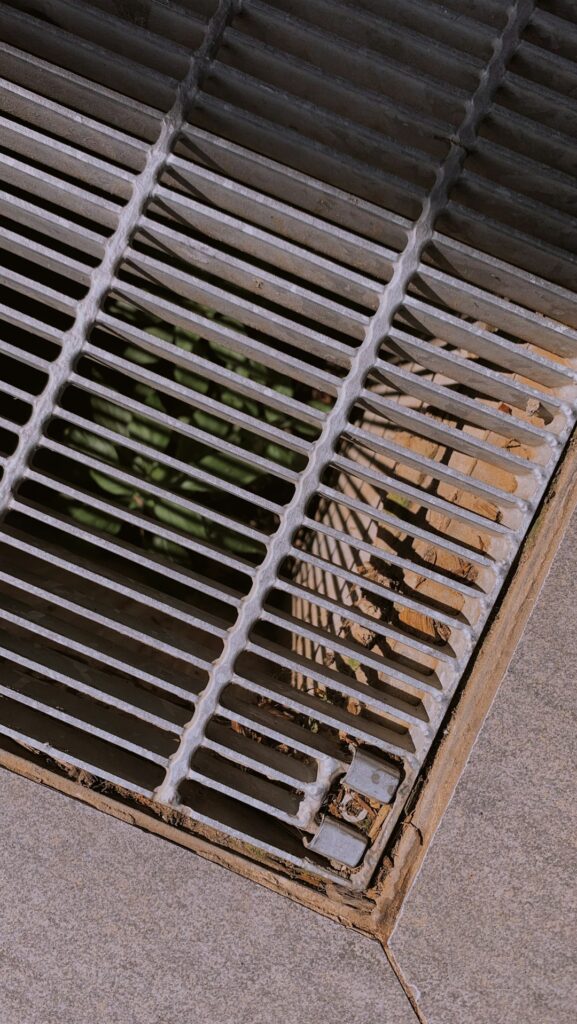
A trench drain typically includes a long, narrow channel covered by a removable grate. The channel collects liquid across a broad area rather than relying on a single point drain. This layout is useful in facilities where water is routinely introduced during cleaning, production, food handling, equipment washing, or material movement.
The drain itself does not sanitize a facility. Its value comes from supporting a complete sanitation system that includes appropriate cleaning procedures, drain maintenance, surface materials, waste handling, and employee practices.
How do trench drains reduce contamination risks?
Trench drains reduce contamination risks by limiting standing water and helping remove liquids from floors quickly. Pooled water can carry soil, organic material, chemicals, and microorganisms from one area to another as employees, carts, or equipment pass through it.
A properly designed drainage system can help:
- Reduce the time that floors remain wet
- Limit the spread of wash water beyond the intended cleaning area
- Keep liquid away from stored materials and equipment bases
- Direct wastewater toward an appropriate collection point
- Make high-use areas easier to rinse and maintain
Drain placement matters. A channel located near a wash-down area, doorway, loading zone, or equipment line may capture water before it reaches adjacent workspaces. However, poor slope, inadequate capacity, or an incorrectly positioned drain can leave puddles and create the same sanitation problems the system was intended to prevent.
Why are trench drains useful in facilities with frequent wash-down?
Facilities that wash floors or equipment frequently need drainage that can handle both the volume and speed of the water being released. A narrow point drain may not capture water quickly enough, especially when hoses, spray equipment, or automated cleaning systems are used.
Trench drains provide a longer collection area. This allows water to enter at multiple points along the channel instead of traveling across a large floor surface toward one drain opening.
Common commercial applications include:
- Food and beverage processing areas
- Commercial kitchens and production spaces
- Warehouses with wet cleaning routines
- Manufacturing areas exposed to liquid materials
- Agricultural or equipment-washing facilities
- Building service areas and loading spaces
The design should match the facility’s actual cleaning method. A drain intended for occasional rinsing may not be suitable for high-flow wash-down, heavy solids, hot liquids, or corrosive cleaning agents.
What design features support better sanitation?
Sanitary performance depends on more than drain length. The channel, grate, outlet, surrounding floor, and access points must work together.
Important design considerations include:
Smooth, cleanable surfaces
Interior surfaces should minimize areas where residue can collect. Deep cracks, rough finishes, damaged joints, and poorly sealed transitions can allow organic material and moisture to remain after cleaning.
Proper floor slope
The surrounding floor should direct water toward the drain without creating low spots. Even a well-built channel will not perform effectively if the floor holds water several feet away from it.
Suitable grate openings
Grate spacing should allow water and expected debris to pass while providing safe support for employees, carts, and equipment. Openings that are too small may clog quickly, while openings that are too large may create trip or wheel hazards.
Adequate flow capacity
The system should accommodate the highest expected discharge, not merely normal daily use. Cleaning equipment, multiple hoses, rainfall entering through open areas, and accidental spills can create short periods of unusually high flow.
Accessible removable components

Grates and sediment-collection areas need to be accessible for inspection and cleaning. A drain that cannot be opened safely is more likely to accumulate residue and become an overlooked sanitation concern.
How should commercial trench drains be cleaned?
Routine cleaning should remove visible debris, settled sediment, grease-like residues, and biological buildup from the grate and channel. The exact method depends on the facility’s materials, wastewater rules, cleaning chemicals, and operating procedures.
A practical maintenance routine may include:
- Removing loose debris from the grate before wet cleaning
- Inspecting the channel for sediment, damaged surfaces, or blocked outlets
- Cleaning beneath removable grates rather than washing debris farther into the system
- Checking areas where the drain meets the floor for gaps or deterioration
- Confirming that water flows freely after cleaning
- Recording recurring blockages or odors for corrective action
Cleaning a drain without controlling the surrounding wash water can spread contamination. In facilities with strict sanitation requirements, drain cleaning should be coordinated with the broader cleaning sequence so that dirty water does not move from lower-risk areas into cleaner production or storage zones.
Can trench drains create sanitation problems?
Yes. A trench drain can become a contamination source if it is poorly maintained, incorrectly used, or located in an unsuitable area.
Common problems include standing water, unpleasant odors, insect activity, residue buildup, damaged grates, and blocked outlets. These conditions may develop when solids are swept into the channel, cleaning water is not removed fully, or the drain is undersized for the facility’s operations.
Another misconception is that stronger chemicals automatically produce a cleaner drain. Excessive chemical use can damage drain components, create worker hazards, or interfere with wastewater handling. Cleaning agents should be selected and used according to facility procedures and the material compatibility of the drainage system.
Drainage also should not be treated as a substitute for spill control. Large spills, hazardous substances, or liquids with special disposal requirements may need containment and handling procedures that go beyond ordinary floor drainage.
What seasonal issues matter in Indianapolis?
Indianapolis experiences changing conditions throughout the year, including freezing weather, spring rainfall, summer humidity, and winter use of deicing materials. These conditions can affect commercial drainage performance.
Cold weather may create concerns where drainage channels are exposed to freezing temperatures or where water remains in low points. Heavy rain can increase the amount of water entering loading areas, garages, exterior work zones, and other spaces connected to indoor drainage. Salt and deicing residues may also enter facilities on vehicle tires, footwear, and equipment.
Facility managers can reduce seasonal problems by inspecting drain covers, checking flow before periods of heavy rainfall, removing sediment from exterior-connected areas, and watching for surface deterioration caused by moisture and freeze-thaw cycles.
When does drainage require additional review?
A drainage issue deserves prompt attention when water repeatedly remains on the floor, wastewater backs up, grates shift under traffic, or odors continue after normal cleaning. Sanitation concerns also warrant review when drain water flows toward food-contact surfaces, storage areas, employee walkways, or cleaner work zones.
Commercial facilities should consider safety and compliance requirements when selecting or modifying drainage components. Changes involving wastewater discharge, structural floors, hazardous materials, or regulated operations may require review by qualified designers, facility safety personnel, or the appropriate authority.
A well-maintained trench drain supports sanitation by controlling water at its source, improving cleanability, and reducing the movement of contaminated liquids. Its effectiveness depends on correct sizing, sound installation, regular inspection, and coordination with the facility’s full sanitation program.