

 See My Latest Article on HelloNation
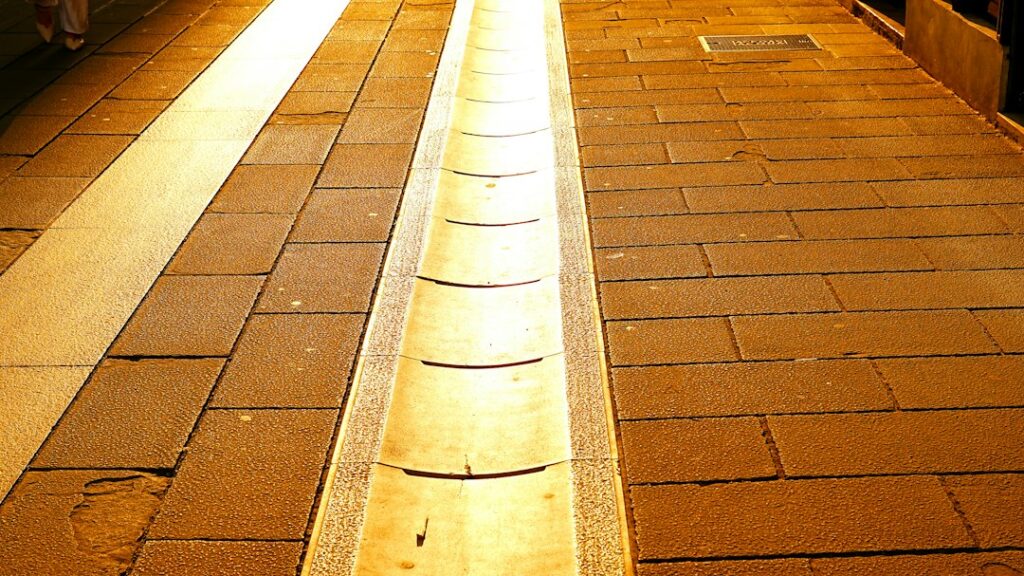
Commercial trench drains are not made from one universal material. The channel body, grate, frame, outlet, and surrounding concrete may each use different materials selected for structural loads, chemicals, temperature changes, sanitation, and maintenance needs.
For facilities in Indianapolis, IN, material selection should account for freeze-thaw cycles, winter deicing salts, heavy vehicle traffic, washdown practices, and the possibility of standing water during intense storms. The most suitable material is the one that fits the site’s actual exposure rather than the one with the lowest initial cost.
Which materials are commonly used in commercial trench drains?
The main channel materials are polymer concrete, cast-in-place concrete, fiberglass-reinforced materials, stainless steel, and sometimes heavy-duty plastic composites. Grates are commonly made from ductile iron, stainless steel, galvanized steel, or coated steel.
Each option has a different balance of strength, chemical resistance, installation requirements, and maintenance needs.
Polymer concrete
Polymer concrete combines mineral aggregate with a resin binder. It is widely used for commercial and industrial drainage because it is dense, strong, and relatively resistant to many chemicals.
Typical advantages include:
- High compressive strength
- Low water absorption
- Smooth internal surfaces that help reduce buildup
- Resistance to many oils, fuels, salts, and industrial fluids
- Compatibility with heavy-duty grates and traffic-rated applications
Polymer concrete is often considered for loading docks, manufacturing areas, parking structures, warehouse floors, vehicle service areas, and outdoor pavements. Its performance still depends on the specific chemical exposure. Strong acids, solvents, concentrated cleaning agents, or high-temperature discharges may require a more specialized lining or material.
Cast-in-place concrete
Cast-in-place concrete can form the trench channel itself or provide the structural envelope around a prefabricated drain. It is familiar to most construction teams and can be designed for substantial loading when properly reinforced and installed.
Its strengths include:
- Strong structural support
- Flexible sizing and layout
- Good compatibility with concrete slabs
- Familiar construction methods
- Suitability for large or irregular drainage areas
Concrete is not automatically resistant to every industrial liquid. Acids, aggressive chemicals, repeated saturation, and freeze-thaw exposure can cause deterioration over time. Joint design and curing also matter. A channel may have a strong concrete body but still experience leakage or cracking if joints, outlets, or surrounding slab connections are poorly detailed.
Fiberglass-reinforced plastic and composite materials
Fiberglass-reinforced plastic, often called FRP, uses resin reinforced with glass fibers. These channels are valued for their corrosion resistance and relatively light weight.
They may be suitable for:
- Chemical processing areas
- Waste handling zones
- Industrial washdown spaces
- Locations where metal corrosion is a concern
- Projects where lighter components simplify handling
Composite materials vary considerably in resin type, reinforcement, thickness, and temperature tolerance. A general-purpose composite channel should not be assumed to perform well under high heat or concentrated chemicals. The material must be matched to the fluids, cleaning process, and expected traffic.
Stainless steel
Stainless steel is frequently selected where sanitation, cleanability, and corrosion resistance are priorities. It is common in food production, beverage processing, laboratories, commercial kitchens, and other facilities with frequent washdown.
Benefits may include:
- Smooth, cleanable surfaces
- Resistance to rust in many indoor environments
- Good appearance in exposed areas
- Compatibility with hygienic floor systems
- Strong performance under repeated cleaning
Stainless steel is not corrosion-proof in every environment. Chlorides, harsh chemicals, stagnant moisture, and certain cleaning agents can cause staining or localized corrosion. The grade, finish, weld quality, and drainage design all influence service life.
Why do grate materials matter as much as channel materials?
A strong channel can still fail as a system if the grate is not suited to the traffic or environment. Grates receive direct impact from wheels, pallet jacks, forklifts, carts, and foot traffic.
Ductile iron
Ductile iron grates are frequently used for heavy vehicle and industrial loading. They provide substantial strength and can tolerate repeated rolling loads when properly supported.
Potential concerns include:
- Corrosion in persistent wet or salt-exposed conditions
- Rough or damaged surfaces that create trip hazards
- Noise if the grate is not securely seated
- Weight during removal and maintenance
Stainless steel
Stainless steel grates are useful where sanitation and corrosion resistance are more important than extreme traffic loading. They are often selected for cleanable environments, though the design still must account for carts, equipment, and localized wheel loads.
Galvanized or coated steel
Galvanized and coated steel may be appropriate for moderate-duty settings where some corrosion protection is needed. Coatings can wear at contact points, edges, and hinge areas. Once protective layers are damaged, corrosion may progress more quickly, particularly where winter salt or industrial chemicals are present.
How should Indianapolis climate affect material selection?
Cold winters and repeated temperature changes create stress for drainage systems. Water that enters cracks or joints can freeze and expand. Deicing salts may also increase corrosion and accelerate deterioration of nearby metal components.
Outdoor commercial areas should be evaluated for:
- Freeze-thaw exposure
- Salt carried by vehicles and foot traffic
- Snowplow contact
- Standing water after storms
- Expansion and contraction of the surrounding pavement
- Heavy trucks turning across the grate
A material that performs well indoors may not be suitable for an exposed loading area. Outdoor systems also need proper slope, outlet capacity, joint detailing, and concrete support. Material alone cannot compensate for poor drainage geometry or inadequate installation.
Does chemical resistance determine the best material?
Often, yes. The liquid entering a trench drain may be more important than the building type.
Common exposures include:

- Oils and fuels
- Food products and fats
- Cleaning chemicals
- Deicing salts
- Wastewater with variable acidity
- Solvents
- Hot water or steam
- Metal-processing fluids
Chemical resistance should be evaluated for the entire assembly, including the channel, sealants, grate finish, fasteners, outlet connections, and any protective coating. A channel body may resist a chemical while its grate or joint sealant does not.
Temperature also matters. Repeated discharge of hot water can create expansion stress, especially where hot liquids reach a cold slab or drain assembly.
What does “heavy-duty” actually mean?
“Heavy-duty” should refer to a documented load rating and the expected traffic pattern, not just a thick-looking grate.
The design should consider:
- Vehicle weight
- Wheel loads
- Axle configuration
- Turning and braking forces
- Forklift use
- Dropped loads
- Pedestrian exposure
- Snowplow or maintenance equipment
A grate rated for occasional vehicle passage may not be appropriate for constant forklift traffic. Load classifications and testing methods help compare products, but the rating must be paired with correct bedding, concrete reinforcement, frame support, and installation.
Which material is easiest to maintain?
Smooth, nonabsorbent surfaces are generally easier to clean, but maintenance also depends on grate access, sediment collection, outlet design, and the type of material entering the drain.
A practical commercial system should allow maintenance staff to:
- Remove grates without damaging them
- Clear sediment and debris
- Inspect joints and outlets
- Replace damaged components
- Clean areas where solids accumulate
- Identify corrosion or cracking early
For facilities with frequent washdown, narrow slots may look tidy but can be more difficult to inspect than removable grates with adequate access. The most hygienic design is not always the one with the smallest visible opening.
What is the most reliable way to compare materials?
Start with the operating conditions rather than the material name. Document the expected traffic, liquids, cleaning temperatures, indoor or outdoor exposure, maintenance practices, and service life expectations.
A useful comparison asks:
- What vehicles or equipment will cross the drain?
- Will winter salt or snow equipment contact it?
- What chemicals may enter the channel?
- How hot will discharge water be?
- Is sanitation a primary concern?
- How often will the drain be cleaned?
- Can damaged grates or fasteners be replaced?
- Does the surrounding concrete provide enough structural support?
For many commercial environments, polymer concrete offers a balanced combination of strength and chemical resistance. Stainless steel may be preferable where sanitation and cleanability dominate. Composite materials can be valuable in corrosive settings, while cast-in-place concrete may make sense for large, structurally integrated systems.
The right choice is ultimately a system decision. Channel material, grate material, loading, chemical exposure, joints, concrete support, and maintenance access must work together.