

 See My Latest Article on HelloNation
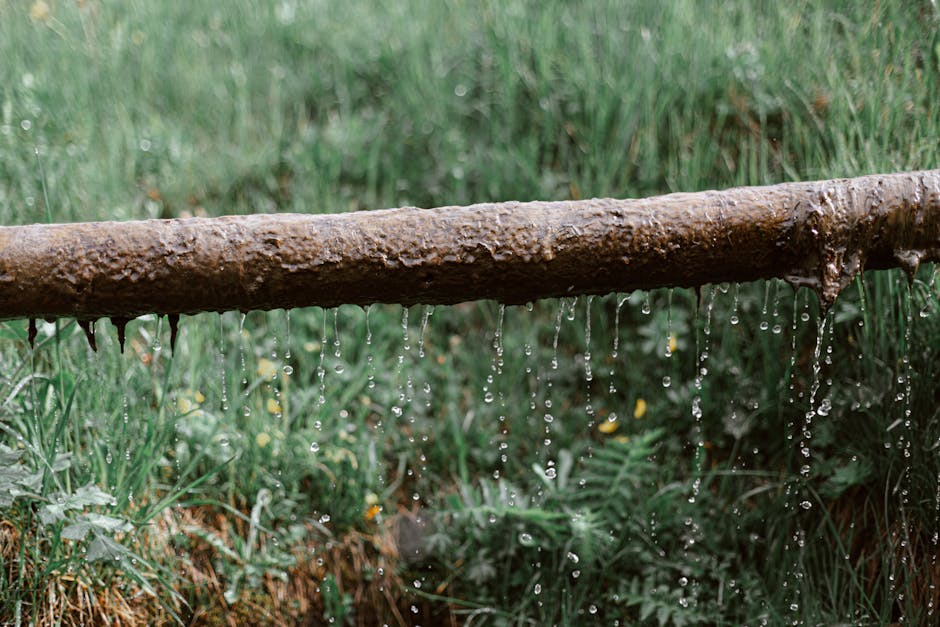
Why Are Hidden Water Leaks a Concern for Indianapolis, IN Residents?
Hidden water leaks can cause significant property damage, wasted water, and even compromise indoor air quality. In Indianapolis, older housing stock, shifting soil from freeze-thaw cycles, and humid summers can make subtle leaks a genuine issue for many area households. Addressing hidden leaks early helps prevent expensive repairs and supports a healthier living environment.
What Subtle Signs Might Mean There’s a Leak Behind the Walls or Under the Floor?
Often, leaks don’t show up as dramatic floods or puddles. More frequently, their clues are subtle and easy to overlook. Residents might notice:
- Unexpectedly high water bills without a change in usage
- Musty or earthy odors that persist even after cleaning
- Spots of mold or mildew appearing on walls, ceilings, or baseboards
- Bubbling, blistering, or peeling paint and wallpaper
- Staining or discoloration on ceilings, floors, or drywall
These signs are particularly relevant in areas like basements and crawl spaces, which are common in Indianapolis homes and prone to dampness from hidden plumbing issues or inadequate trench drain systems.
How Do Unexplained Damp Areas Signal a Potential Leak?
Patchy or persistent dampness, especially in spots far from sinks or tubs, is a frequent red flag. If carpets, baseboards, or parts of the basement feel damp or spongy underfoot, hidden plumbing or drain problems could be the cause. In the city’s older neighborhoods, aged pipes or poorly sloped exterior drainage can contribute to below-grade leaks that are slow to surface.
Can Sounds Provide a Hint? What Should Area Residents Listen For?
Leaks sometimes reveal themselves through sound before visual clues appear. Residents should be attentive to:
- Hissing, bubbling, or gurgling noises from inside walls or floors when no water is running
- Subtle dripping or tapping that seems to come from hidden areas during quiet times
These noises may indicate pressure loss from a pinhole leak or water seeping through small cracks—particularly important for those maintaining sump pumps or trench drain systems to keep basements dry in Indianapolis’s rainy spring season.
Are There Specific Times of Year When Leaks Are More Likely to Develop?
Seasonal temperature shifts in central Indiana make certain times riskier. As temperatures drop below freezing and then spike during thaw, homes in Indianapolis may experience pipe movement, cracking, or joint failures. After especially wet seasons or following major snow melts, check for new damp areas or musty odors where rain or melting snow can exacerbate subterranean leaks.
How Could Home Foundation Movement Contribute to Hidden Leaks?
The region’s clay-rich soils expand and contract with moisture levels, sometimes shifting foundations and stressing buried pipes or slabs. Cracks or slight settling can create paths for water to follow, gradually allowing moisture to seep under flooring or into crawl spaces. Evidence might include:
- Hairline cracks widening near baseboards or on basement walls
- Floor tiles lifting or wood floorboards warping in isolated areas
- Efflorescence (white, powdery residue) on concrete surfaces below-ground
Recognizing these changes early gives local homeowners valuable time to address drainage issues before repairs become major projects.
What Misconceptions Might Cause Leaks to Go Unnoticed?
Many local residents assume an absence of visible water equals no leak issue. In reality, slow leaks might only produce symptoms like small brown stains, lingering smells, or slightly higher utility readings. Another common misconception is to blame humidity alone for persistent indoor mildew—when hidden plumbing or trench drainage leaks may be the true culprit, especially in the city’s humid summer months.
Careful monitoring after storms, during spring thaw, and when water pressure seems inconsistent helps distinguish regular dampness from warning signs that suggest plumbing or drain infrastructure should be investigated further.
What Steps Can Homeowners Take to Investigate Without Causing Damage?
Without immediately opening walls or floors, residents can:
- Review several months of water usage for unexplained increases
- Conduct a simple meter test: Note the reading, avoid water use for two hours, then recheck; movement without use often indicates a leak
- Regularly inspect and dry suspect areas, watching for recurring wetness or persistent odors
- Use moisture meters on drywall and flooring to detect hidden damp spots
- Gently press on suspect surfaces for unusual softness or sponginess, especially near known plumbing lines or drains
If any of these checks consistently indicate a problem, further investigation by trained professionals may be warranted when dealing with potentially hazardous conditions such as electrical risks or structural damage.
Why Early Action Matters for Indianapolis, IN Households
Taking small, regular steps to check for warning signs—especially after harsh weather or during peak usage seasons—can spare residents in the community from costly repairs, mold problems, and water damage. Older homes, finished basements, and complex drainage systems in Indianapolis make ongoing vigilance especially worthwhile for maintaining comfort and property value.