

 See My Latest Article on HelloNation
When the water in your sink starts swirling slowly, or your shower turns into an unplanned foot soak, a drain blockage is usually to blame. In Indianapolis, where residential communities blend older homes with newer developments, drain issues are especially common thanks to our region’s climate, aging infrastructure, and daily household habits. Understanding the most common causes of blocked drains helps prevent bigger, messier problems down the line.
Everyday Items You Didn’t Realize Cause Blockages
Every household drains some surprising items, especially during busy weekdays or the festive Hoosier holidays. However, many of these daily habits directly contribute to clogs:
- Food scraps, coffee grounds, and grease: Even with a garbage disposal, these are frequent culprits in Indianapolis kitchens. Grease hardens as it cools, latching onto pipe walls and catching other debris.
- Hair and soap scum: In homes with large families or thick Indiana winter hair shedding, this combo becomes stubborn, forming mats in bathroom drains.
- "Flushable" wipes and hygiene products: Despite their labels, most wipes and sanitary products do not disintegrate quickly and are a chief cause of toilet and main sewer line clogs.
Hard Water and Mineral Buildup
Indianapolis is well known for its hard water. The city’s groundwater source is loaded with minerals like calcium and magnesium. Over time, this mineral buildup (also known as scale) coats the inside of pipes, narrowing their diameter. This not only slows drainage but creates a rough surface for hair, lint, and other debris to grip and accumulate.
*Tip:* Routine drain cleaning and water softeners can minimize this issue, a smart investment for Indianapolis’s older homes.
Seasonal Challenges Unique to Indianapolis
Central Indiana weather brings its own plumbing headaches:
- Tree root intrusion: Our region’s mature maple and oak trees have deep, sprawling roots that actively seek moisture—often finding it in cracks of old sewer lines. Spring and fall, when roots are most active, can see dramatic increases in main line blockages.
- Mud and debris: Kids, pets, and gardeners in Indy’s suburbs frequently track mud and mulch indoors, rinsing it away in utility and bathroom sinks. This soil can settle, especially in older plumbing layouts.
Improper Installation or Aging Infrastructure
Indianapolis boasts residential neighborhoods with houses from as early as the 1920s. The charm of these historical homes often comes with older, narrower clay or cast-iron pipes rusting or shifting out of alignment. This restricts flow and is highly susceptible to blockages—including collapses that require urgent repairs.
Local remodels sometimes introduce new plumbing tied into old systems. Amateur installations or “shortcuts” can lead to sags (bellies) or misaligned connections that trap flushed debris.
Kitchen Drain Blockages and Indianapolis Living
Busy family lifestyles play a role in drain issues. Whether you’re rushing to prepare a Sunday Colts viewing party spread or making weeknight meals, more food debris and oils end up down the kitchen sink. Starchy foods common in Indy diets—such as mashed potatoes or pasta—can swell and stick to pipes, compounding the gunk.
- Pro tip: Always scrape plates into the trash and never pour fat down the drain, even if you run hot water. Collect it in a can for easier disposal.
Laundry Lint and Detergent Residue
With the freeze-thaw cycles in Indiana, washer drains located in basements and utility rooms are under constant use, especially during icy winters. Lint, fabric softener, and undissolved detergent can accumulate in laundry drain lines, leading to slow draining or backups.
Regularly cleaning out your lint trap and running a monthly hot water cycle with a cup of white vinegar can help reduce build-up.
Outdoor Drainage and Downspout Problems
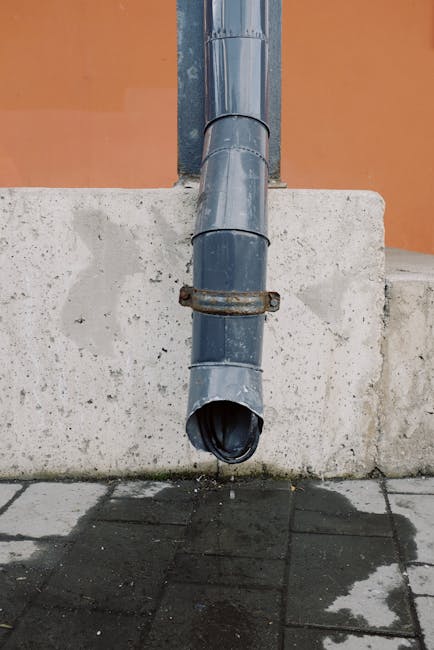
Indianapolis storms can be fierce, dumping heavy rains that flood lawns and streets. When downspouts or yard drains become clogged by leaves, sticks, or mulch, water can back up near your home’s foundation or find its way into interior drains.
Routine outdoor cleanup—especially after autumn leaf fall or spring storms—prevents floodwater from overwhelming your pipes.
Preventing Future Drain Blockages
While some blockages are inevitable due to aging infrastructure or unpredictable weather, most everyday clogs are preventable with a few mindful practices:
- Dispose of food, grease, and hygiene products in the trash
- Install hair traps in bathroom drains
- Use water softeners if your home has a hard water supply
- Schedule annual inspections for homes over 30 years old
- Clear outdoor drains each season, especially after storms
For Indianapolis homeowners, being proactive about what goes down your drains and maintaining your pipes can save you time, money, and water damage headaches for years to come.
If your drains seem sluggish or you hear gurgling, it may be time to call a local expert before a minor clog becomes a major issue. Blocked drains are more than an inconvenience—they’re a sign to pay closer attention to how your home operates within the unique environment of Indianapolis.