

 See My Latest Article on HelloNation
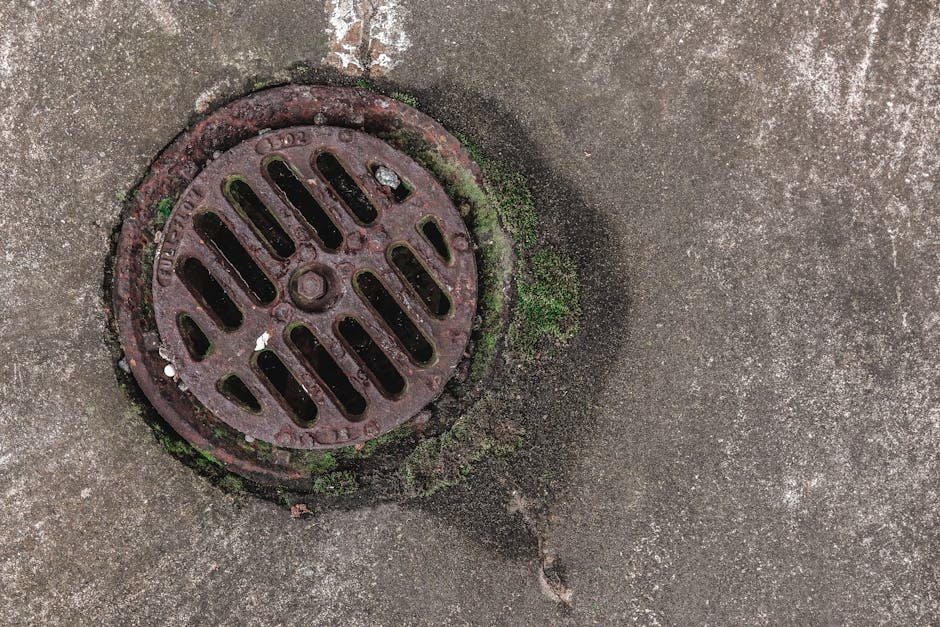
Living in Indianapolis means enjoying the charm of historic neighborhoods, vibrant communities, and diverse weather conditions. However, one issue that can disrupt the comfort of any Hoosier home is a clogged main sewer line. Recognizing the symptoms of a main sewer line clog early can save residents from expensive repairs and messy situations. Here’s how to spot the warning signs before they turn into a household emergency.
What Is the Main Sewer Line and Why Does It Matter?
Your home’s main sewer line is the primary pipe that transports wastewater from your house to the city’s sewer system. In a city like Indianapolis, with many older homes and tree-lined streets, these lines often face challenges from root infiltration, shifting soils, and seasonal temperature changes. When this essential pipe becomes clogged, all plumbing in your home is affected.
Common Causes of Sewer Line Clogs in Indianapolis
Indianapolis homeowners face several unique factors that contribute to blockages:
- Tree Roots: Many Indy neighborhoods feature mature trees whose roots seek out moisture, often invading old clay or cast iron pipes.
- Aging Infrastructure: With neighborhoods like Broad Ripple, Irvington, and Meridian Kessler, some sewer pipes are more than 50 years old.
- Heavy Rainfall and Flooding: Central Indiana’s weather brings wet springs and the occasional summer downpour, overwhelming drains and pushing debris into lines.
Early Warning Signs Your Main Sewer Line May Be Clogged
Identifying a potential clog early is crucial in preventing a full system backup. Keep an eye out for these symptoms:
1. Multiple Drains Are Slow or Backing Up
If you notice:
- Water backing up in your basement floor drain
- Multiple fixtures (e.g., toilets, tubs, sinks) draining slowly at the same time
This is a clear indicator the problem is in the main line, not just a single fixture.
2. Gurgling Noises From Toilets or Drains
When you hear odd gurgling or bubbling sounds after flushing the toilet or draining the sink, it often means trapped air—caused by a clog—can’t travel freely through the pipes. These noises are especially common in older Indianapolis homes with original plumbing.
3. Water Pooling Around Floor Drains
Have you noticed unexplained water pooling in your basement or utility room? During periods of heavy rain or snowmelt typical in Indianapolis, the city’s aging combined sewer system can back up, especially if your main line is already partially blocked.
4. Unpleasant Sewage Odors
A distinct, persistent sewage smell indoors or outdoors near your home’s sewer clean-out is a classic sign of a clog. Don’t ignore these odors; they suggest wastewater is trapped and not flowing to the city’s system as it should.
5. Frequent Need to Plunge Toilets
Are you grabbing a plunger more often than usual? If plunging seems like a weekly task, this could indicate a deeper blockage in your main sewer line rather than a small clog in one fixture.
Testing for a Main Line Sewer Clog
If you suspect a main line issue in your Indy home, try this quick test:
- Run water in the highest plumbing fixture in your home (often a second-story shower or sink).
- Check the lowest plumbing fixture (typically a basement floor drain or utility sink).
If you see water backing up in the lowest fixture, your main sewer line is likely blocked.
What to Do If You Suspect a Clog
While some minor clogs can be resolved with over-the-counter drain cleaners or a plunger, a main sewer line clog requires professional help. Here’s why:
- Main line cleaning requires specialized equipment, like sewer augers or hydro-jetting machines.
- Indianapolis codes may require proper permits or inspections for sewer line repairs.
- Attempting DIY repairs on the main sewer line can result in damage or bigger messes if not done properly.
Avoiding Sewer Line Clogs in Indianapolis
Some simple habits can keep your pipes running smoothly:
- Avoid pouring grease, oil, or fat down kitchen drains.
- Flush only toilet paper—never wipes, feminine hygiene products, or paper towels.
- Schedule annual drain inspections, especially if your home is more than 40 years old.
- If you live on a tree-lined street, ask about preventative root treatments or periodic snaking.
The Risk of Waiting Too Long
Ignoring a clogged main sewer line means risking:
- Raw sewage backup in your basement or bathrooms
- Major health hazards from unsanitary conditions
- Water damage and costly restoration work
Indianapolis winters can complicate repairs, as frozen ground makes accessing and replacing lines more difficult. Tackling the problem before cold weather arrives is always the best strategy.
When to Call a Professional
Wondering when to pick up the phone? If you experience:
- Water backing up in multiple places
- Gurgling toilets after using other plumbing fixtures
- Sewage odors
- Any backups after heavy rainfall or snowmelt
Don’t wait—contact a local Indianapolis sewer specialist. Prompt professional intervention can usually clear a blockage before it forces contaminants into your living space.
—
A clogged main sewer line is a serious issue, but with these warning signs and a little local know-how, you can protect your Indianapolis home and avoid sudden, costly emergencies. Stay vigilant, especially during the spring thaw or following storms, and don’t hesitate to seek expert help if you spot the signs described above.